Did AI clone Adobe? What the ArtCraft case teaches about the value of software
 By Christian Alves, founder of SINOON
No. In October 2026, ArtCraft developer Brandon Thomas went viral with free, open-source apps that present themselves as alternatives to Adobe programs, such as PhotoCraft (Photoshop) and FilmCraft (Premiere Pro), written in Rust with the help of Claude Opus 5.5. The repositories themselves say the apps are in alpha and don't yet replace Photoshop in professional work. The lesson for companies is a different one: writing software got cheaper, and the edge shifts to the data, services and experience that come with it.

What happened
On September 30, 2026, ArtCraft, a creative tools studio founded by American developer Brandon Thomas, began publishing a series of free, open-source apps on GitHub. In the following days, the project went viral with a bold promise: to offer alternatives to Adobe's main programs.
- ✓PhotoCraft, an image editor, in place of Photoshop.
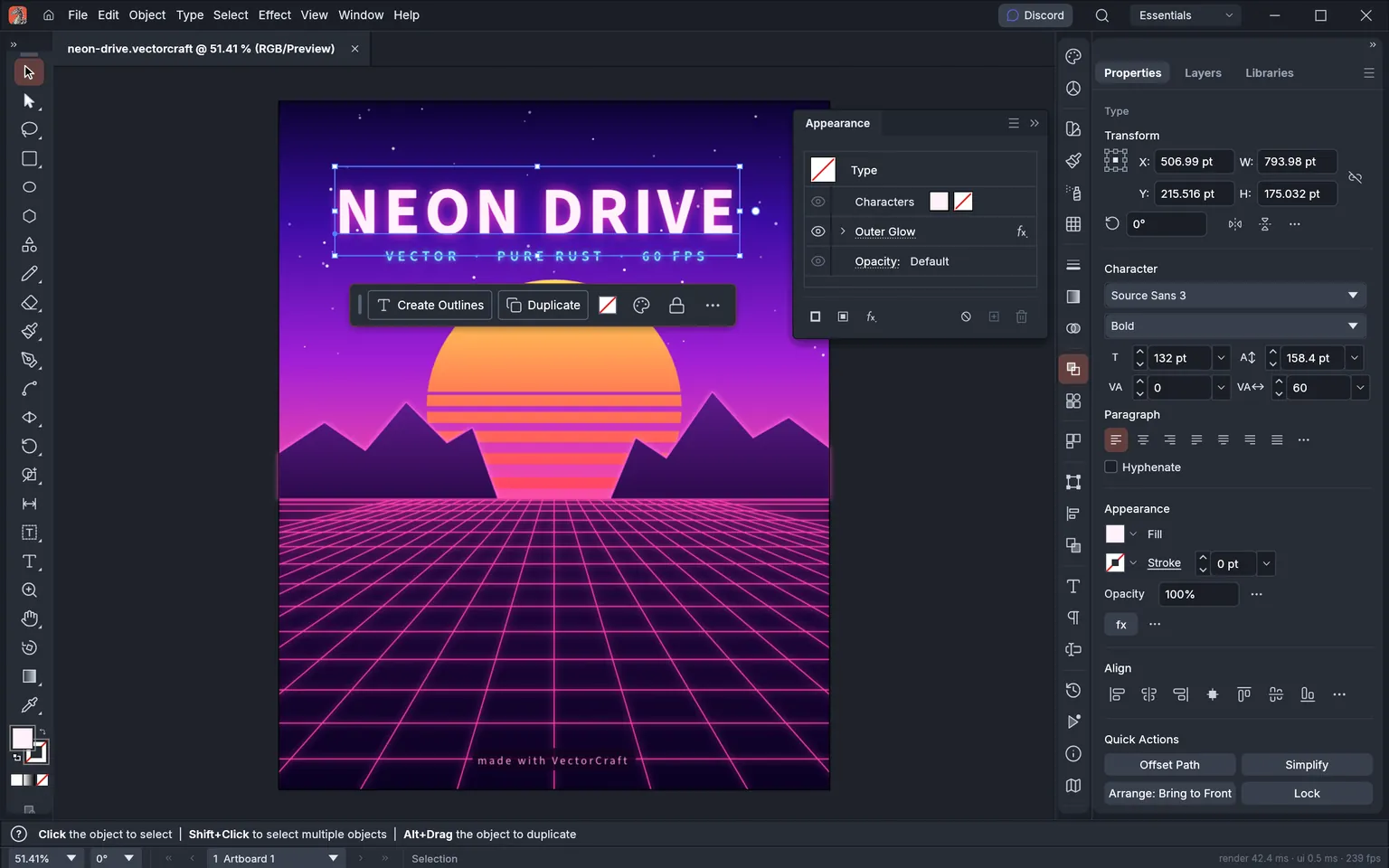
- ✓VectorCraft, vector illustration, in place of Illustrator.
- ✓FilmCraft, video editing, in place of Premiere Pro.
- ✓LightCraft, photo developing and cataloging, in place of Lightroom.
- ✓EffectCraft, animation and effects, in place of After Effects.
- ✓DesignCraft, page layout, in place of InDesign.
- ✓PdfCraft (launched as PrintCraft), for PDFs, in place of Acrobat.
Who is behind it and how the apps were made
According to TechSpot, Thomas said he wrote the apps in Rust with the help of Claude Opus 5.5, Anthropic's model, cited Adobe's cancellation fees as motivation and summed up the moment with the phrase "software is over". Since then, ArtCraft's official page has started listing similar apps for spreadsheets, presentations, audio and CAD.
The case became the symbol of a bigger discussion about reverse engineering with AI, which gained momentum the same week with REA, a tool that puts AI agents to work analyzing compiled programs.
Are the apps copies of Adobe?
Not in the sense of using Adobe's code, according to the project itself. The PhotoCraft repository describes it as a clean-room reimplementation of Photoshop, built only from public specifications and the program's observed behavior, with no Adobe code, shaders or files, and states it has no affiliation with the company. The license is MIT or Apache-2.0, at the user's choice.
Clean room is an old method: one team studies and documents the original product's behavior, and another, which has never seen its code, writes a new implementation from that documentation. That's how the IBM PC BIOS was recreated in the 1980s. In ArtCraft's case, that's the developer's claim; as of this writing, we found no independent verification.
What already works and what's missing
Here the gap between headline and product shows. The README of PhotoCraft, the most mature app in the series, says it's in alpha and doesn't yet replace Photoshop in day-to-day professional work. The biggest gaps the project itself points out are generative AI features, missing tools, typography depth and plug-in compatibility. The other apps are listed as alpha or in development on the official page.
Developer Fabio Akita's analysis adds problems that only show up in real use: hundreds of open issues in the repository, limited color management for print (CMYK and ICC profiles), high memory use on very large images and incompatibilities with PSD files. In short: the screenshot impresses, and the product is still under construction.
Why Adobe's software doesn't fit in a clone
The most interesting point of the case isn't what ArtCraft did, but what it can't do, no matter how many tokens it spends. Much of the value of modern software isn't in the installed program:
- ✓Cloud services: features such as Photoshop's generative fill are processed on Adobe's servers.
- ✓Accumulated data: camera and lens profiles and decades of color science.
- ✓Licenses and partnerships: Pantone left Adobe's free libraries in 2022, and cinema camera color transforms come through contracts with the manufacturers.
- ✓Constant evolution: a product sold by subscription changes every week, and the clone has to keep chasing it.

The lesson for those who sell software
If your product is mainly a set of screens and forms that anyone can see working, it got cheaper to copy. Not through reverse engineering of the code, but because AI lowered the cost of writing similar software. What remains hard to copy:
- ✓Proprietary data: the history, customer base and accumulated knowledge only your product has.
- ✓Server-side services: what happens off the user's device can't be taken apart.
- ✓Integration with the customer's process: the more embedded the product is in the operation, the higher the cost of switching.
- ✓Relationship and support: trust, service and onboarding don't come out of a repository.
- ✓Speed: whoever evolves the product every week keeps the clone one step behind.
The lesson for those who buy software
The case also shows the other side: building custom tools got cheaper. For many companies, the question is no longer "which system do I subscribe to?" but "is it worth having our own tool for this process?".
The answer depends on the total cost, not just the license: maintenance, security, support and team training all count. A free, open app can turn out expensive if nobody in the company knows how to maintain it. It's the kind of comparison we run in our AI consulting, in the tool selection track, and, when custom pays off, in our custom AI agents.
Frequently asked questions
What is ArtCraft?
It's a creative tools studio founded by Brandon Thomas that publishes free, open-source apps, such as PhotoCraft and FilmCraft, presented as alternatives to Adobe programs.
Are the ArtCraft apps free?
Yes. They are free and open source, under the MIT or Apache-2.0 license.
Does PhotoCraft replace Photoshop?
Not yet. The repository itself says the app is in alpha and doesn't yet replace Photoshop in day-to-day professional work.
Were the apps made by reverse engineering Adobe's code?
According to the project, no: they are said to be clean-room reimplementations, built from public specifications and observed behavior, with no Adobe code. For now, there is no independent verification of that claim.
Is Adobe going to disappear?
Nothing suggests that. Much of Adobe's value lies in cloud services, data, licenses and partnerships, which can't be copied from the installed program.
Sources
- PhotoCraft: ArtCraft's official GitHub repository
- ArtCraft: official Crafting Apps page
- TechSpot: "Software is over": developer uses AI to build free Adobe clones
- Creative Bloq: Someone just rebuilt Adobe Creative Cloud with AI
- Fabio Akita: Engenharia Reversa com IA: a Adobe morreu? (Oct 13, 2026, in Portuguese)
See also
- BlogReverse engineering with AI: the complete guide to REA, the Adobe clones and what really changesWhat reverse engineering with AI is, what REA and the ArtCraft apps really deliver, what the law says and what changes for your company.
- ServiceAI Consulting for BusinessesProcess mapping, opportunity discovery and an AI implementation roadmap for your business, with strategy before execution.
- ServiceCustom AI AgentsWe build AI agents tailored to your process: customer service, lead qualification, follow-up, collections or whatever your business needs.
Put AI to work in your company
Talk to the SINOON team and find out which agent, squad or engagement makes sense for where you are now.